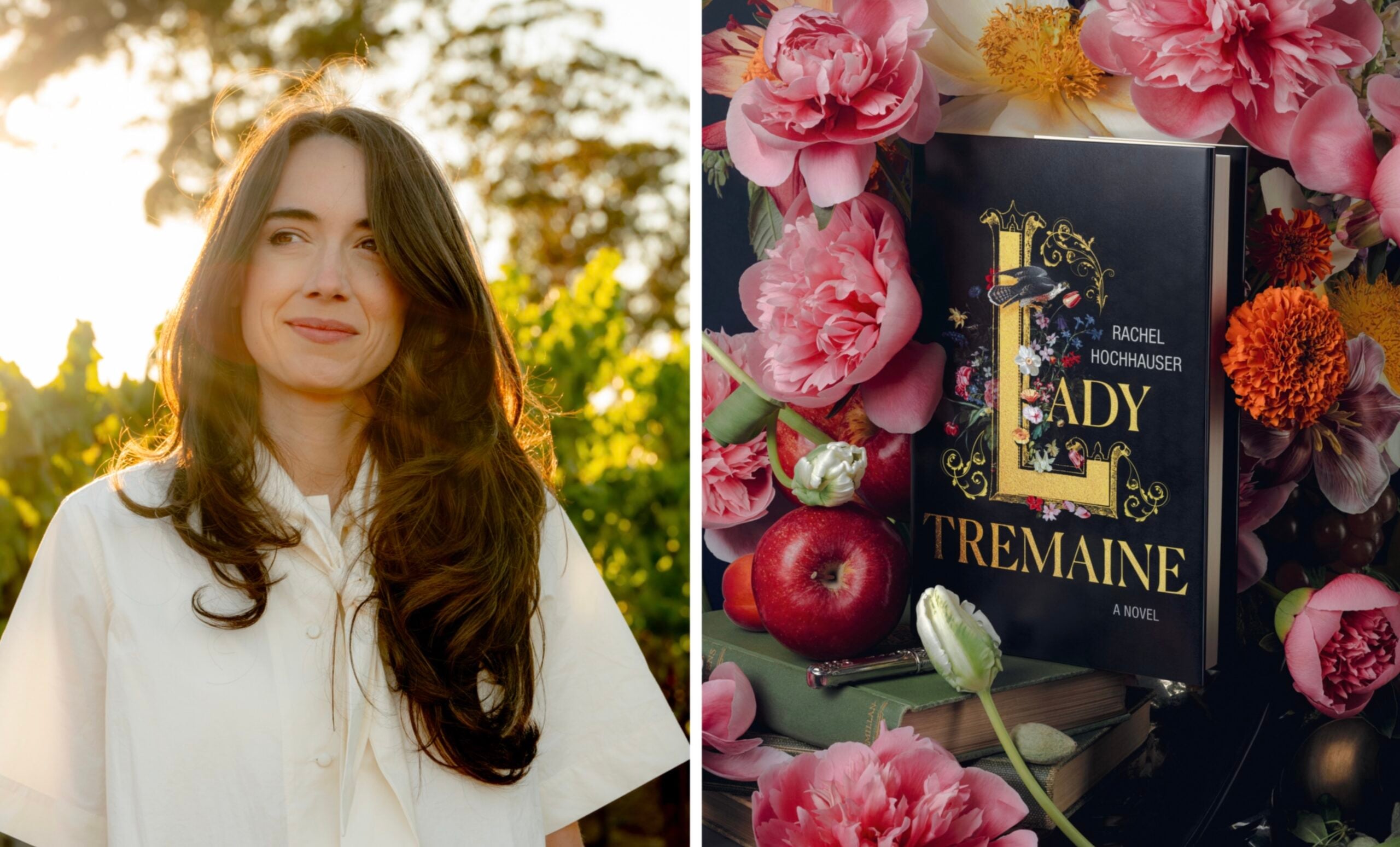
- Reimagining a Classic: Rachel Hochhauser’s novel offers a fresh perspective on the beloved Cinderella tale, told from the viewpoint of her often-vilified stepmother.
- Powerful Themes: The book tackles serious topics such as motherhood and socioeconomic struggles while challenging long-held perceptions of female characters in literature.
- Rising Star: With her selection in Reese Witherspoon’s book club, “Lady Tremaine” is poised for significant attention and potential film adaptation.
Introduction: A New Perspective on Fairy Tales
“Cinderella” is one of the most enduring fairy tales, celebrated for its themes of hope and transformation. However, in “Lady Tremaine,” Rachel Hochhauser takes an audacious leap into the depths of the tale, revealing the previously obscured layers of the infamous stepmother’s life. By reframing the story through the eyes of Lady Tremaine, Hochhauser shines a spotlight on the societal pressures and adversities that shape her character, ultimately transforming her from a mere villain to a woman of complexity and depth.
This novel arrives at a moment when revisiting classic narratives is not only timely but necessary. Long championed as a tale of good versus evil, “Cinderella” has often neglected the narratives of the women who occupy its shadows. With a growing discourse around the representation of female figures in literature, Hochhauser’s work prompts readers to reconsider their preconceived notions about motherhood, sacrifice, and resilience through the lens of a woman often dismissed in the original tale.
Exploring the Heart of the Novel
At the core of “Lady Tremaine” lies the story of a woman striving to navigate the complexities of family dynamics and societal constraints. Hochhauser’s depiction of Lady Tremaine’s desperate attempts to secure favorable marriages for her daughters while battling her own personal hardships creates an engaging narrative filled with realism and empathy. Readers are invited to witness her journey through poverty, motherhood, and the seemingly endless demands placed upon her as a woman in a patriarchal society.
Hochhauser’s inspiration draws from her own life experiences, particularly the challenges faced during her husband’s health crisis. This personal connection adds authenticity to Lady Tremaine’s portrayal, as the author deftly intertwines her struggles with those faced by women throughout history. By presenting Lady Tremaine not as a flat villain but as a multifaceted character driven by love and necessity, the novel breaks away from traditional fairy tale tropes and tackles broader themes of female empowerment and the complexities of parenthood.
The Broader Implications
The implications of Hochhauser’s “Lady Tremaine” extend far beyond its pages; they resonate in contemporary conversations about female representation in literature and media. By choosing to give a voice to a character once dubbed the archetypal wicked stepmother, Hochhauser challenges readers to rethink their biases and reconsider the narratives we assign to women. The novel’s success and its selection for Reese Witherspoon’s book club elevate its potential to spark further dialogues about the stories we tell and the women we represent.
As “Lady Tremaine” garners attention, it raises questions about how society approaches stories of women in literature and film. Will this novel lead to more adaptations that explore the lives of complex female characters? How will their stories shape the cultural narratives we pass down to future generations? These conversations are essential as we strive to create a richer, more inclusive understanding of women’s experiences across all platforms—literary and otherwise.
Conclusion
In conclusion, Rachel Hochhauser’s “Lady Tremaine” is not just a retelling of a classic fairy tale; it is a powerful exploration of motherhood, sacrifice, and the narratives we construct about women. As this book begins to make waves in the literary world, it invites us to reflect on the characters we may have misjudged in the past and the multifaceted stories awaiting discovery.
What other characters from classic tales deserve a second chance at redemption? How can literature reshape our understanding of women’s roles in society? As “Lady Tremaine” makes its mark, these questions remain tantalizingly open for discussion.
Editorial content by Avery Johnson