Highlights:
– South Korean startup Galaxy is set to revolutionize the K-pop industry with AI and robotic technology.
– The company aims for an initial public offering (IPO) in both Seoul and New York, signaling its ambition to expand globally.
– By blending advanced technology with entertainment, Galaxy challenges the conventional idol system of K-pop.
Introduction to Galaxy’s Vision
In an industry renowned for its vibrant performances and charismatic stars, South Korean startup Galaxy is embarking on a mission to redefine the K-pop landscape. By integrating artificial intelligence and life-sized robotics, the company seeks to break away from the traditional idol system that has dominated the genre for decades. This innovative approach is not just about creating new forms of entertainment; it is a bold statement challenging the very essence of human-centered idol culture.
The significance of Galaxy’s endeavor goes beyond mere technological advancement. As K-pop continues to gain immense global traction, there is a growing demand for innovation that caters to a diverse audience and leverages the latest developments in artificial intelligence. Galaxy’s planned IPO in both Seoul and New York reflects its ambitions to explore international markets, potentially positioning itself as a key player in the intersection of technology and entertainment.
Exploring the Core of Galaxy’s Innovation
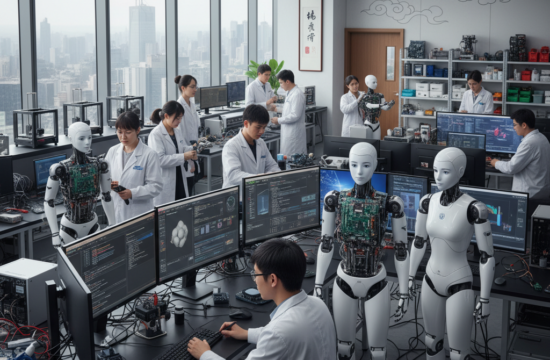
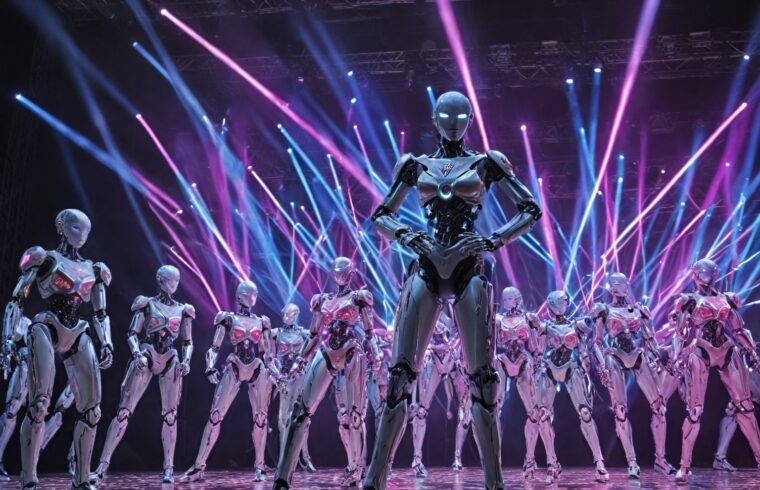
At the heart of Galaxy’s strategy are humanoid robots adorned in sleek, black hip-hop ensembles, designed to perform with impeccable precision. These AI-driven avatars are programmed to not only entertain but also engage with fans, offering a new dimension of interaction. This technological integration allows Galaxy to maintain high production standards while addressing pressing issues in the entertainment industry, such as mental health and the overwhelming pressure faced by human idols.
Galaxy’s approach has already garnered attention as it pushes the boundaries of what is possible in performance art. The combination of virtual presence and physical form creates dynamic show opportunities that could captivate fans in ways previously unimagined. By using AI, the company aims to tap into the emotional connection that audiences seek, while also reducing the burdensome demands placed on human performers. These advancements could mark a pivotal shift in how entertainment is produced and consumed.
Implications and Future Directions
The implications of Galaxy’s innovations extend far beyond entertainment; they represent a shift in societal norms surrounding idol culture. By utilizing technology to mitigate the personal costs faced by human idols, Galaxy may pave the way for a more sustainable entertainment model. Moreover, with the potential for worldwide expansion, their success could inspire other organizations to explore similar blends of technology and artistry in various cultural sectors.
However, the road ahead isn’t without challenges. The acceptance of AI characters in a space traditionally driven by human emotion raises questions about authenticity and connection. As Galaxy moves closer to its IPO, it will need to navigate these complexities while keeping its core audience engaged and supportive. The future of entertainment may hinge on how well Galaxy can balance innovation with the very human experience that keeps fans coming back for more.
In conclusion, Galaxy’s commitment to merging AI technology with K-pop artistry could transform the industry landscape while addressing longstanding issues associated with idol culture. As they prepare for their IPO, the questions remain: can AI truly replicate the human experience in entertainment? How will fans respond to robotic idols? Will this new model redefine the K-pop industry for generations to come?
Editorial content by Avery Johnson