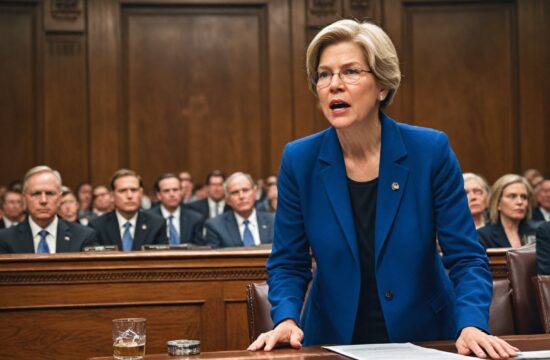
Federal Reserve Chair Jerome Powell speaks during a press conference following the Federal Open Markets Committee meeting at the Federal Reserve on March 18, 2026 in Washington, DC.
Anna Moneymaker | Getty Images
Highlights
- Federal Reserve’s March meeting emphasized the need for cautious monetary policy due to global uncertainties.
- Concerns were raised about potential inflation spikes stemming from Middle East conflicts and rising oil prices.
- Despite challenges, there’s an expectation for a potential interest rate cut later this year if inflation aligns with Fed targets.
Setting the Scene: Federal Reserve’s Dilemma
The latest minutes from the Federal Reserve’s March meeting indicate that officials are walking a tightrope as they navigate a landscape marked by international conflict and economic volatility. With rising tensions in the Middle East affecting oil prices and sparking fears of inflation, the Federal Reserve is tasked with maintaining economic stability while being attuned to evolving geopolitical circumstances. The discussion reflects a significant balancing act for policymakers as they assess whether to alter interest rates amidst persistent inflationary pressures.
As inflation remains above the Fed’s 2% target, officials expressed a need to stay “nimble” and alert to how external factors, particularly the ongoing Iran conflict, could impact consumer spending and the broader labor market. Key insights from participants suggest that should inflation decline as anticipated, a reduction in the federal funds rate may be warranted in the near future—this could be an essential move if rising energy costs lead to a squeeze on household finances.
Analyzing the Risks: Inflation and Employment
The core of the Fed’s discussion revolves around the implications of the geopolitical turmoil on domestic financial conditions. At the recent meeting held on March 17-18, officials unanimously agreed to keep interest rates steady as further developments unfolded. They acknowledged that while the ceasefire between the U.S. and Iran led to a decline in oil prices, there are significant uncertainties regarding its sustainability that could still lead to inflation spikes. This cautious positioning underscores the precarious nature of the U.S. economy as it contends with external shocks.
Moreover, although job growth has been steady enough to keep unemployment figures stable, most growth has been concentrated in healthcare-related sectors. This lack of diversity raises concerns about the employment landscape, leading some participants to express fears of a downturn in net job creation. The minutes reveal that many officials believe the risk to employment conditions is tilted towards the downside, which could further complicate the Fed’s outlook as the labor market remains a critical component of economic health.
Looking Ahead: Future Implications and Strategies
Considering the current economic environment, the Federal Reserve is well-aware of the potential repercussions of its decisions on both inflation and employment. If the labor market continues to show signs of vulnerability and inflation rates do not align with the Fed’s targets, additional rate cuts may become imperative. These proactive measures may help shield consumers from the adverse effects of rising costs but could also risk igniting further inflationary pressures if not carefully executed.
The road ahead for the Federal Reserve is fraught with challenges, as economic growth is showing signs of a slowdown, with the GDP rising at just a 0.7% rate in the fourth quarter of 2025 and forecasts suggesting only a 1.3% growth for the first quarter of 2026. Policymakers must grapple with these forecasts while also remaining prepared for shifts in the global economy that could dramatically reshape their approach. As discussions advance, the Fed is left contemplating the delicate interplay of market forces, global events, and the enduring task of promoting stable growth.
Conclusion
The recent Federal Reserve meeting highlighted the complexities of managing monetary policy amidst geopolitical uncertainty and economic fluctuations. As they weigh the potential for future rate cuts against underlying risks of inflation and job market stability, the Fed must tread carefully to maintain financial equilibrium. With the possibility of rate adjustments on the horizon, one must ponder: How will global events continue to shape domestic economic policies? What strategies should the Fed prioritize to safeguard against inflation while promoting employment growth? And how can consumers adapt to these changes in financial conditions?
Editorial content by Sage Anderson