

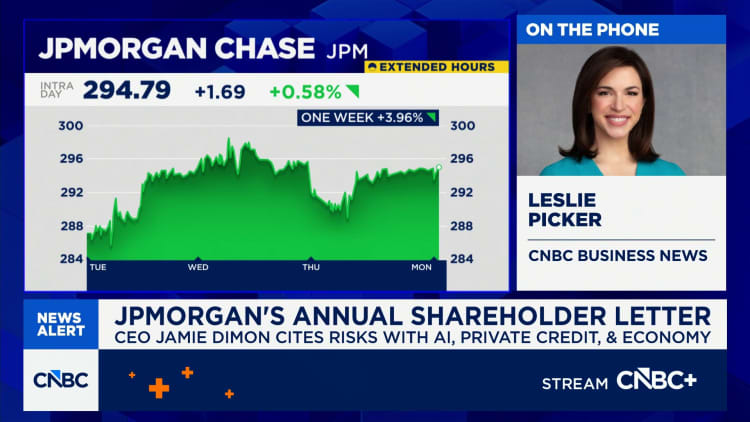
- JPMorgan CEO Jamie Dimon emphasizes a recommitment to American values amid growing global uncertainties.
- In his letter, Dimon discusses challenges including geopolitical tensions, inflation, and regulatory inefficiencies affecting the financial sector.
- Artificial intelligence is set to transform industries, raising concerns about transparency, valuation, and its societal impacts.
Setting the Stage: Dimon’s Call to Action
In an era marked by profound changes and mounting challenges, Jamie Dimon, CEO of JPMorgan Chase, has taken a bold stand in his annual letter to shareholders. Aiming to spark a national dialogue, Dimon urges a reinstatement of the core American ideals of freedom, liberty, and opportunity, reflecting on the importance of these values as the nation approaches its 250th anniversary. As JPMorgan navigates through a complex landscape influenced by geopolitical strife and economic instability, his call resonates deeply not just in the financial sector but across the American landscape.
Central to Dimon’s message is the idea that the difficulties facing the country—ranging from international conflict to domestic inflation—are accompanied by a need for unity and determination. He believes that it is essential for leaders across various sectors to commit to principles that have historically guided the nation, thus fostering resilience and ensuring America’s ongoing leadership on the world stage.
Examining the Core Challenges
Dimon articulates a multitude of factors contributing to today’s uncertainty, particularly emphasizing geopolitical tensions such as the wars in Ukraine and Iran. He argues that these conflicts not only threaten global stability but also jeopardize economic relations and commodity markets. Dimon’s insights suggest that the outcomes of these turbulent events could significantly shape the future of the global economic order, leaving stakeholders uncertain about how to adapt.
Furthermore, he identifies regulatory frameworks as a double-edged sword; while some post-2008 crisis regulations have been beneficial, they have also created an overly complex system that can stifle rather than support effective banking practices. Citing the challenges posed by excessive capital and liquidity requirements, Dimon stresses the importance of reforming regulations to enhance the banking system’s productivity without compromising its stability.
The Role of Technology and Toward an Uncertain Future
As technology continues to evolve at a breathtaking pace, Dimon asserts that artificial intelligence stands out as a transformational force that must be harnessed responsibly. He emphasizes the importance of strategic AI deployment, noting that while the technology promises substantial benefits, its full implications are still unclear. The ongoing integration of AI into banking operations signals a broader shift across industries, with potential disruptions looming that could profoundly affect the workforce and societal structures.
Dimon’s reflections raise essential questions about how businesses should prepare for such changes. While there is significant opportunity in AI, there are also potential pitfalls, particularly concerning the transparency and valuation of private market loans. The executive predicts that future insurance regulations will inevitably require stricter assessments of such loans, possibly leading firms to bolster their capital reserves. This impending regulatory evolution underscores the necessity for organizations to remain agile and responsive to market demands.
As we navigate through these complex topics, one wonders: How will leaders adapt to the unpredictable implications of geopolitical tensions and technological advancements? What strategies can be developed to safeguard economic stability while championing innovation? And ultimately, what role will corporate leaders play in shaping the future landscape of American values amidst these challenges?
Editorial content by Taylor Rodriguez