Why Timing Feels Like a Gamble
Every bettor knows the thrill of that ticking clock, the pulse‑quickening moment a horse’s odds shift. Look: the market is a living beast, breathing in every bookmaker’s line movement. When you chase the dip, you might catch a bargain, but you also risk that the price you admired vanishes like fog. Here is the deal: the core question isn’t “when” it changes, it’s “who” is moving the line and why. That’s the secret sauce that separates the casual punter from the razor‑sharp trader.
Before the Odds Move – The Early‑Bird Strategy
Betting early means you lock in the original price before the crowd rushes in. Short, sweet, and often rewarding if the horse’s form is underrated. By the time the morning rush hits, the odds can swing a full point, translating to a tangible profit margin. And here is why: bookmakers love early liquidity; they’ll tighten lines to protect their book. The trade‑off? Early odds can be based on incomplete data—weather, scratches, insider whispers—so you might be betting on a phantom.
After the Odds Change – Riding the Wave
Waiting for the market to settle gives you clarity. The price you see after a flurry of wagers reflects collective wisdom, a sort of “wisdom of the crowd.” If the odds soften, it usually signals confidence; a horse is gaining momentum, and you can decide whether the value still exists. Conversely, a sudden drop could be a red flag—maybe a hidden trainer issue. The risk here is that the best value evaporates before your finger even hovers over the button.
Reading the Market Pulse
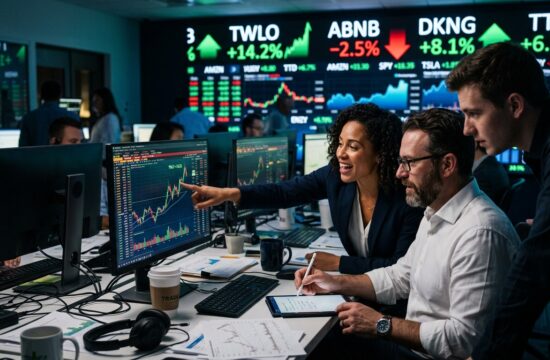
Professional punters treat odds like a stock ticker. They watch the spread, the “sharp money” line, and the time‑of‑day patterns. Early morning spikes often hint at insider knowledge; late‑evening drifts can be the result of public sentiment. One quick tip: if you notice a horse’s odds tightening while the overall pool stays flat, that’s a cue to act fast before the line fully adjusts.
Practical Takeaway
Don’t let the odds dictate your schedule; let the horse dictate your timing. If a horse’s form is solid and the market is quiet, seize the early price. If the odds are wobbling, wait for the dust to settle. Bottom line: the best moment to wager is the one that aligns with the information you have, not the one the market forces you into. Bet the moment the odds settle and lock in value.
Editorial content by