
Highlights
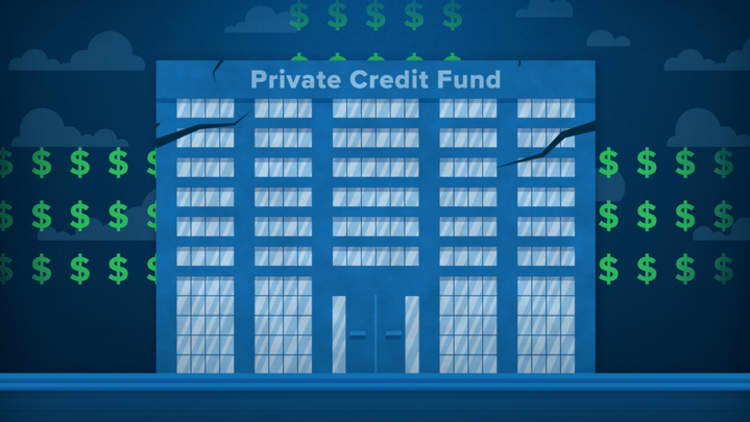
- Private credit lending is a rapidly growing sector with significant implications for the U.S. economy.
- Leading experts express concerns about its rapid expansion and potential risks associated with lack of transparency and regulation.
- The increasing competition from banks in private credit could lead to lower underwriting standards, raising alarms about future credit problems.
The Emergence of Private Credit
In the wake of the unexpected bankruptcy of various American firms recently, private credit—a form of lending delivered by nonbank institutions—has emerged as a focal point in financial discussion. While the practice of direct lending has existed for decades, its prominence has surged post-2008 financial crisis, largely due to stringent regulations that have driven banks away from serving higher-risk borrowers. This notable shift fosters an environment ripe for both opportunities and challenges in the financial landscape.
The private credit market has expanded significantly, growing from $3.4 trillion in 2025 to estimates suggesting it could reach $4.9 trillion by 2029. However, high-profile bankruptcies such as those of auto-industry companies like Tricolor and First Brands have intensified scrutiny, prompting concerns from notable Wall Street figures about the sustainability and risks associated with this asset class.
Understanding the Dynamics of Private Credit
Supporters of private credit, including prominent figures like Marc Rowan from Apollo, argue that this lending model not only fills the gaps left by traditional banking but also drives economic growth. They posited that private credit has become a crucial source of capital, especially for long-term corporate loans that benefit from stable investment from entities like pension and insurance funds. This influx of funding has been viewed as vital for enhancing the resilience of the broader financial system.
Conversely, the opacity and limited regulatory environment surrounding private credit raise valid concerns. Critics note that the asset managers controlling private credit transactions have inherent conflicts of interest, as they are responsible for both the origination and valuation of loans. This duality creates a potential risk for manipulating loan assessments, particularly as lenders face pressures to mask problems in hopes of avoidance or recovery. Such complexities pose a challenge to accurately gauging the health of this burgeoning market.
Future Implications and Concerns
The interplay between banks and private credit entities underscores evolving dynamics within financial markets. Recent disclosures indicate a significant uptick in bank loans to non-depository financial institutions, signaling a competitive re-entry of banks into the private lending space. This new competition, driven by regulatory changes, could exacerbate existing vulnerabilities by fostering slacker loan underwriting standards, setting the stage for potential credit crises ahead.
Experts like Moody’s chief economist Mark Zandi point out that while an imminent collapse isn’t anticipated, the growing importance of private credit necessitates diligent monitoring. With traditional banks having established regulatory frameworks, issues arising within the private lending sector may lack the same level of oversight and might complicate systemic solutions when financial turbulence strikes.
In summary, private credit is carving out a significant role in the financial sector, raising questions about its long-term stability and impact on the economy. As we observe this evolving landscape, we must ask ourselves: How can we ensure adequate regulation and transparency in this sector? What are the potential warning signs we should look for to prevent wider financial instability? And how will private credit influence corporate America in the years to come?
Editorial content by Skyler Thompson