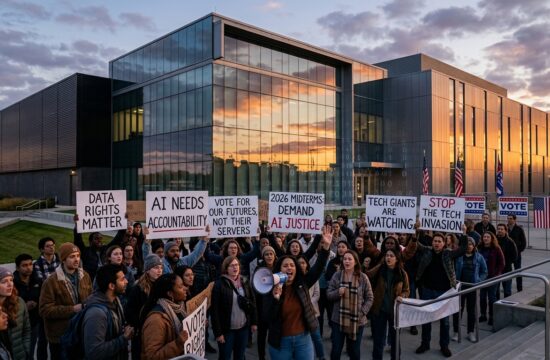
Highlights:
– A UN panel underscores the accelerated advancements in artificial intelligence, outpacing current scientific comprehension.
– The dual-edged nature of AI brings significant potential benefits alongside serious risks that need to be addressed.
– Experts, including co-chair Yoshua Bengio, stress the importance of fostering a responsible approach to AI’s development and deployment.
Understanding the AI Landscape
Artificial Intelligence (AI) has become a cornerstone of modern technology, driving innovation across multiple sectors—from healthcare to finance to cybersecurity. As countries strive to harness AI’s capabilities, the significance of this development goes beyond mere technical prowess; it heralds a transformative era that could redefine societies. The current discourse, spearheaded by a United Nations panel co-chaired by prominent AI researcher Yoshua Bengio, emphasizes the urgency in understanding both the opportunities and the perilous challenges that AI presents.
As governments and organizations globally work to integrate AI into their frameworks, it’s crucial to strike a balance. The UN report highlights a pressing need for a comprehensive review of AI implications, as the tool’s rapid evolution could potentially far outstrip our scientific understanding of its full ramifications. Ignoring this imbalance may lead to adverse outcomes that could affect millions.
Diving Deeper into AI’s Pros and Cons
The UN panel asserts that while the potential benefits of AI are vast—promising advancements in areas such as productivity, healthcare, and environmental sustainability—these advancements are accompanied by significant risks. Issues such as bias in algorithmic decision-making, job displacement, and even privacy violations have emerged as critical areas of concern. The lack of a cohesive regulatory framework to manage these risks only intensifies the urgency of addressing them.
Additionally, the report underscores the importance of ethical considerations in AI development. It argues that stakeholder engagement—including input from diverse communities—is essential in shaping AI strategies that are not only effective but also equitable. This collaborative effort could help mitigate risks, ensuring technology serves the broader interests of humanity rather than perpetuating existing societal inequalities.
Future Implications and Solutions
The implications of unchecked AI development could be far-reaching, affecting livelihoods, social structures, and global governance. Solutions proposed by experts include establishing robust regulatory frameworks and fostering international cooperation to ensure AI technologies are developed responsibly. By encouraging transparency and accountability, policymakers can help cultivate an environment where innovation does not come at the expense of ethical standards.
Moreover, educational initiatives aimed at enhancing public understanding of AI can play a pivotal role. Empowering individuals and communities with knowledge will facilitate more informed discussions and foster a landscape where technology thrives harmoniously with human values. Listening to diverse voices in technology policymaking can offer insight towards crafting solutions that are sustainable and equitable.
In conclusion, while the UN report paints a promising picture of AI’s potential, it is equally a clarion call for caution. The findings highlight the necessity of prudent engagement with this transformative technology. As we stand at the cusp of an AI-driven future, what strategies can be implemented to ensure that AI development aligns with the values and needs of society? How can we better prepare for the societal transformations that AI might catalyze? And ultimately, who should lead the charge in establishing the ethical frameworks that govern AI deployment?
Editorial content by Avery Johnson