Highlights
- Federal Reserve officials show cautious optimism on inflation while maintaining current interest rates.
- Current core inflation rates indicate slight improvements in the services sector.
- Future inflation trends may be influenced by tariffs, international circumstances, and housing market dynamics.
Understanding the Federal Reserve’s Stance on Inflation
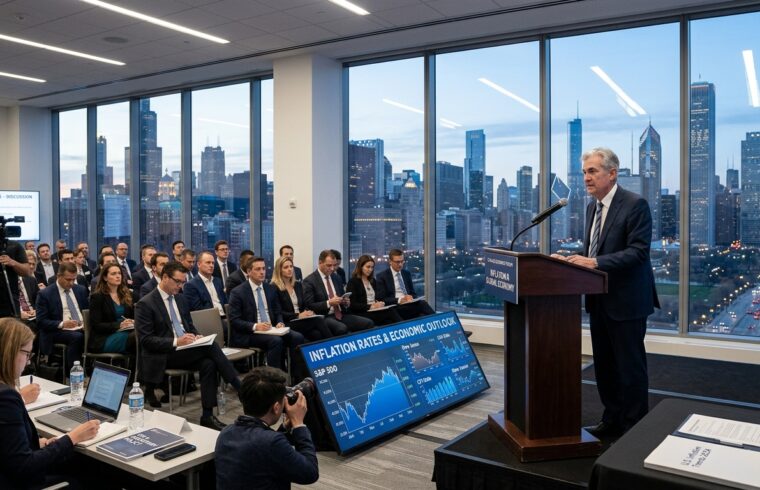
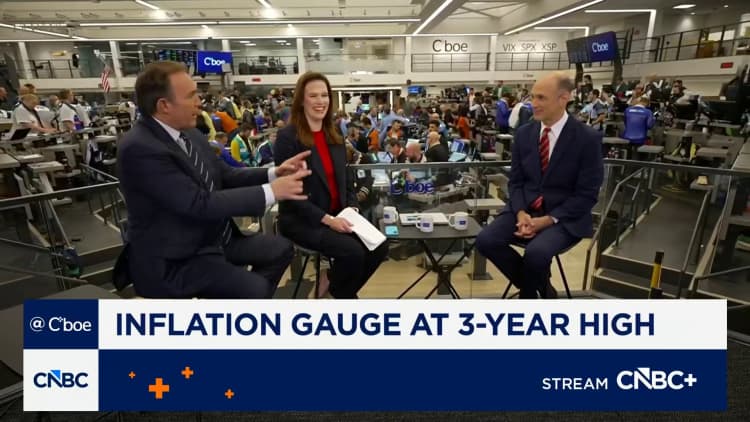
Recent comments from key officials within the Federal Reserve have shed light on their evolving outlook toward inflation and interest rates. Chicago Fed President Austan Goolsbee expressed cautious optimism regarding the recent trends in inflation, highlighting modest improvements in the services sector. Meanwhile, New York Fed President John Williams conveyed similar sentiments but reinforced the commitment to maintaining interest rates at their current levels, which has signaled a significant point of discussion in economic circles.
The importance of addressing inflation cannot be overstated, especially as economic recovery continues to take center stage. As inflation pressures persist, Fed officials must carefully assess the balance between economic growth and necessary monetary responses. Goolsbee’s focus on inflation, coupled with Williams’ viewpoints, underscores the Fed’s commitment to its dual mandate of fostering maximum employment while keeping inflation in check.
Diving Deeper: Insights into Inflation Trends
The core inflation rate, measured by the Fed’s preferred personal consumption expenditures price index, stood at 3.4% in May, marking a notable increase. In their recent discussions, both Goolsbee and Williams acknowledged the complexity surrounding inflation dynamics, including changes in consumer prices. Goolsbee pointed out that while the job market remains robust, the inflationary pressures continue to tip the scales, necessitating a focused approach from the Fed.
Williams further elaborated on factors that might catalyze a decline in inflation, including the easing impact of tariffs, expectations surrounding international energy prices, and a potential slowdown in housing inflation. He indicated a projected decline in inflation rates, envisioning a return to the Fed’s 2% target by 2028, relying on favorable economic conditions. This discussion points to a balancing act that Fed officials must navigate as they gauge market conditions and consumer behavior.
Implications and Future Outlook
The implications of these discussions are far-reaching, impacting financial markets and consumer confidence alike. As the FOMC prepares for its next meeting, market speculation surrounds the possibility of a rate hike, although Goolsbee has urged against premature commitments. Striking the right balance in communication is crucial for a transparent monetary policy that fosters economic stability.
As we move forward, the Fed’s strategy will play a pivotal role in shaping the economic landscape. Keeping an eye on key indicators like inflation trends and job statistics will be essential for evaluating future policy decisions. Potential outcomes could include shifts in consumer pricing, impacts on housing markets, and overall economic growth trajectories.
Conclusion: In summary, the recent insights from Federal Reserve officials paint a complex yet cautiously optimistic picture regarding inflation and interest rates. As economic conditions evolve, the Fed’s ability to adapt to these changes will be critical. What are the potential consequences if inflation does not recede as anticipated? How might this impact consumer spending and investment decisions? These questions remain open for discussion as we continue to monitor the evolving economic landscape.
Editorial content by Evelyn Martinez