Highlights
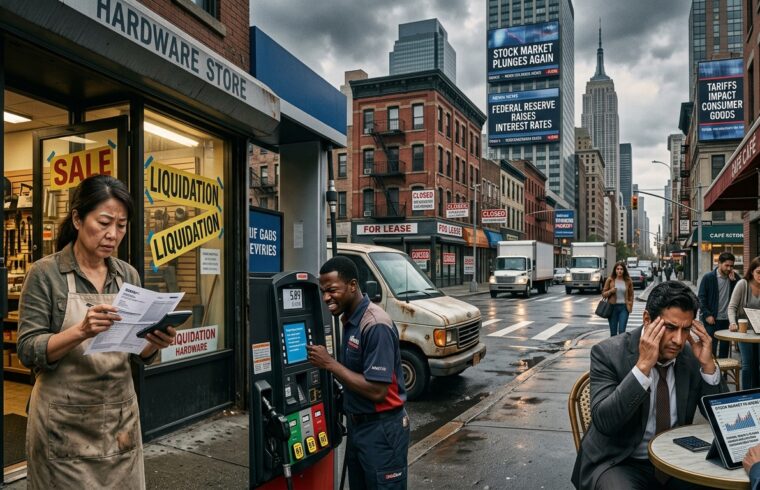
- Manufacturers face mounting challenges due to tariffs, rising fuel prices, and increasing interest rates, prompting many businesses to hoard inventory.
- While larger corporations manage to weather the storm, small to mid-sized companies are disproportionately affected by rising costs and lending rates.
- The ongoing economic pressures raise critical questions about corporate adaptability and consumer behavior in a high-cost environment.
Understanding the Economic Squeeze
One can hardly overlook the profound impacts of recent economic policies on American businesses. With the convergence of tariffs imposed by the previous administration, soaring fuel prices driven by geopolitical tensions, and the Federal Reserve’s rising interest rates, companies across various sectors are facing unprecedented challenges. For many, like Allen Eden, president of Original Saw Co. in Britt, Iowa, the tightening economic landscape is forcing uncomfortable decisions about pricing and inventory management. The increasing costs of essential materials, such as a simple bracket for saw motors that shot up from $42 to $87, illustrate the kind of inflationary pressure that small manufacturers are grappling with daily.
The weight of these challenges is not borne equally throughout the economy. Middle-market manufacturers, in particular, find themselves caught in a tight vice, forced to pass along rising operational costs onto consumers, thereby contributing to ongoing inflation. This introduction of tariffs has made raw materials more expensive, while simultaneously increasing costs related to transportation and inventory financing, resulting in a particularly fierce squeeze for smaller companies that lack the same financial resilience as their larger counterparts.
Core Challenges Faced by Businesses
The current economic environment has resulted in a notable divide within corporate America. Companies across sectors report differing fortunes based on their size and market position. For instance, many smaller manufacturers are forced to initiate price hikes, which in turn pressure consumer demand and profit margins. Daco warns that the combination of higher rates and fuel prices hits sectors heavily reliant on both, such as manufacturing and logistics, particularly hard. Meanwhile, larger corporations with robust cash reserves are able to absorb these increased costs, enabling them to navigate the storm far more effectively.
However, the problem extends beyond mere financial constraints. Manufacturers in the automobile supply chain, like Lucerne International, have made significant operational changes, moving away from domestic manufacturing in response to the pressures of tariffs and rising material costs. This shift illustrates the broader impacts of these economic pressures, where strategic decisions are driven not solely by immediate financial impact but also by attempts to mitigate future risks—with some firms, like Grupo Antolin, finding themselves in dire straits due to increased operational hurdles leading to bankruptcy filings.
Implications for the Future
As the tumult in the economy continues, the implications for corporate America seem grave yet uncertain. While some industries appear better equipped to pass on costs to consumers, others face a precarious balance—raise prices too high, and demand could plummet. This context fosters a climate of anxiety, leaving many businesses wondering how they will navigate future challenges, especially as interest rates are expected to remain elevated for the foreseeable future.
Looking ahead, these developments prompt essential questions regarding the sustainability of current business strategies and the overall health of the economy. Could rising interest rates and ongoing inflation lead to a notable downturn? Are companies prepared to adapt to the incoming pressures effectively? As consumers also contend with rising costs in everyday life, the interconnectivity of these economic forces will undoubtedly shape corporate strategies and consumer behaviors in a meaningful way.
In conclusion, the combination of rising tariffs, fuel prices, and interest rates creates a multifaceted dilemma for American companies. As the landscape shifts, how will businesses recalibrate their strategies to maintain resilience? In what ways can smaller firms innovate to compete amidst these pressures, and what can be done at the policy level to alleviate these burdens? The answers to these questions will likely define the corporate climate of the coming years.
Editorial content by Avery Johnson