Highlights:
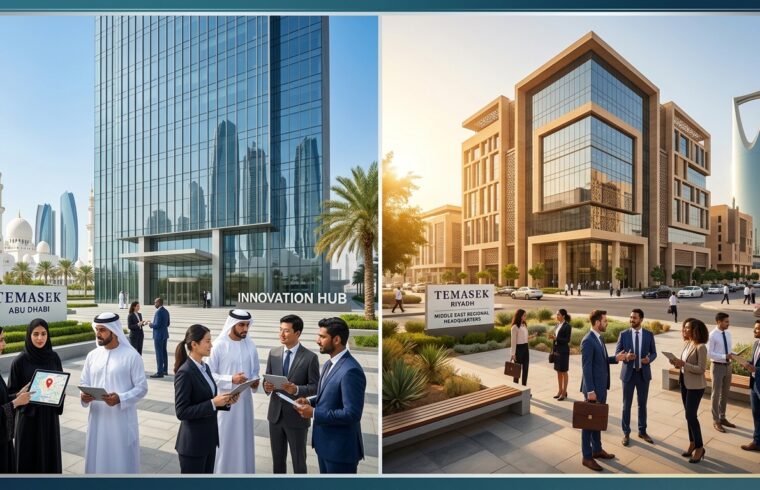
- Temasek, a state-owned investor from Singapore, is expanding its presence in the Middle East by opening new offices in Abu Dhabi and Riyadh.
- Despite economic challenges arising from the Iran war, the region’s transformation offers long-term investment opportunities.
- The new offices will enhance Temasek’s strategic partnerships and align with its global investment objectives.
Expansion in the Heart of the Gulf
Temasek, the investment arm of the Singaporean government with assets exceeding $400 billion, is making a significant move to broaden its influence in the Middle East by establishing offices in Abu Dhabi and Riyadh. This expansion indicates the growing importance of the Gulf region as a magnet for foreign capital, even amidst ongoing geopolitical tensions such as those stemming from the Iran war. The decision signals Temasek’s commitment to contributing to and benefiting from the Gulf’s economic evolution.
The significance of this move lies not only in Temasek’s immediate investments but also in its broader ambition to tap into the region’s long-term economic potential. As Gulf nations pivot towards diversifying their economies, investors like Temasek are recognizing that despite certain setbacks, the foundational economic framework remains promising. The establishment of offices in these key cities is set to bolster Temasek’s connections and engagement in a region marked by rapid change and opportunity.
Addressing Challenges and Seizing Opportunities
Temasek’s new offices are slated to open in the first half of 2027, functioning as strategic hubs for the firm’s various initiatives in the region. With a plan for several portfolio companies to co-locate in these new offices, Temasek is positioning itself to capitalize on collaborative opportunities and enhance its operational efficiency. Past partnerships, such as a recent collaboration with BlackRock’s Global Infrastructure Partners, illustrate Temasek’s proactive approach to navigating the current challenges in Gulf energy infrastructure, further cementing its role as a vital player in fostering regional development.
The regional focus extends beyond just investments; it also encompasses building productive relationships with local institutions. Temasek’s engagement strategy includes connections in Qatar, reinforcing its integrated approach across the Middle East. By expanding its operational footprint in Abu Dhabi and Riyadh, Temasek is not just aiming to enhance its portfolio but is also addressing the pressing need for robust investments in infrastructure that can withstand geopolitical volatility and shifting market dynamics.
Future Implications for the Region
The implications of Temasek’s expansion in the Middle East reflect a complex interplay of growth and stability. As economies in the Gulf continue to transform under initiatives like Saudi Arabia’s Vision 2030, investors are called upon to play a pivotal role in sustaining momentum despite potential disruptions. Temasek’s engagement with the regional financial ecosystem could stimulate additional foreign investments, fostering an environment conducive to long-term strategic projects that benefit both the investor and the host nations.
As Temasek prepares to deepen its involvement in this dynamic market, it also showcases a pathway for other international investors looking to enter or expand within the Middle East. By closely aligning with regional priorities, Temasek exemplifies a model where investment firms prioritize local partnerships and shared goals, which could set a precedent for more sustainable investment practices across the globe.
In summary, Temasek’s planned offices in Abu Dhabi and Riyadh mark a significant development in the firm’s strategy to harness investment opportunities in the Middle East. While challenges like the Iran war linger, the Gulf’s transformative agenda presents a compelling case for forward-looking investors. How will Temasek navigate the complexities of its new investments? What other opportunities might arise from the unfolding economic landscape in the Gulf? Could this expansion inspire further investments from other global players into the region?
Editorial content by Evelyn Martinez